
How Much Does a Retaining Wall Cost in Massachusetts? (2026 Guide)
· By Clemente Neto
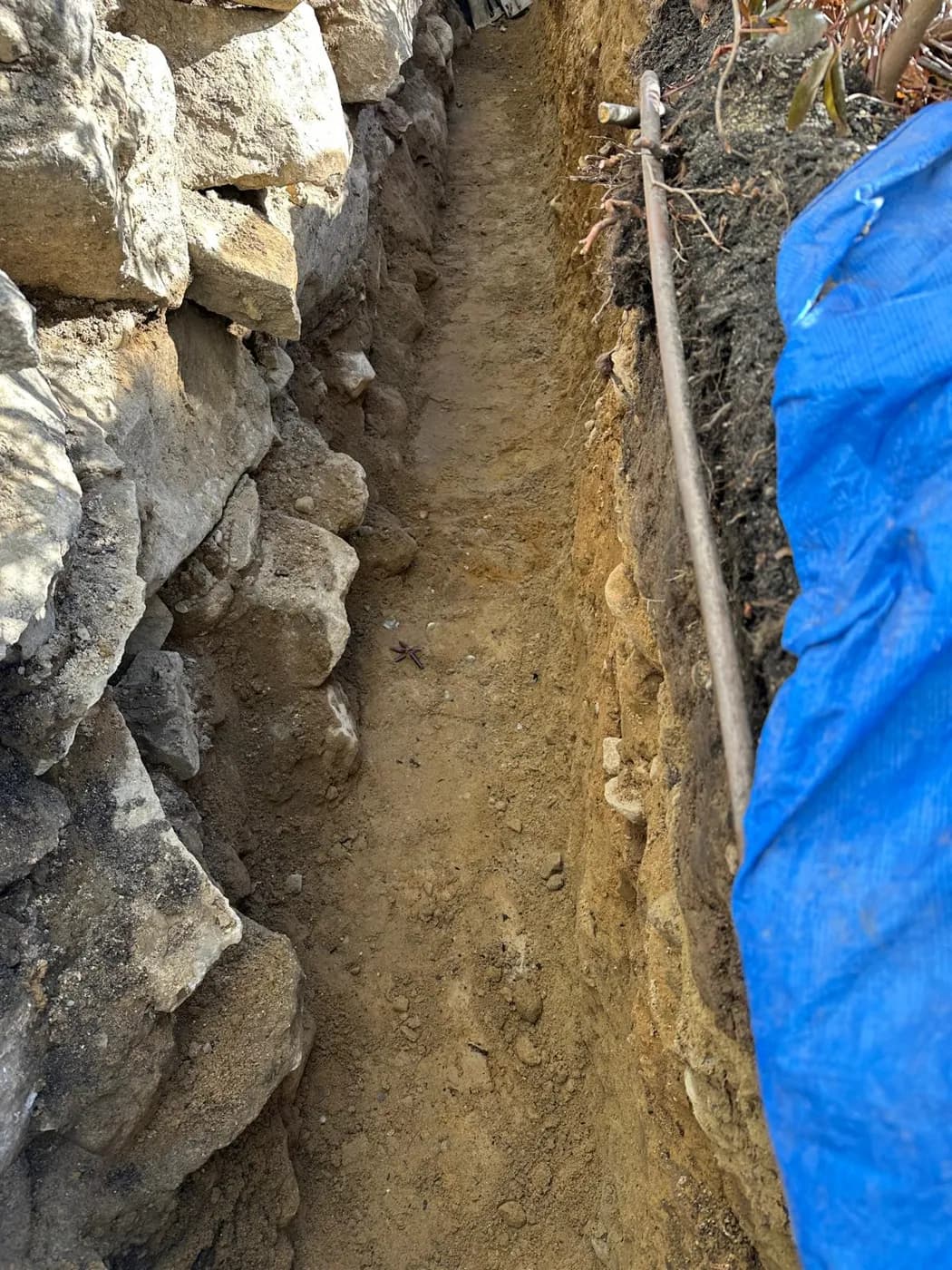
A retaining wall holds back soil so you can level a yard, stop a slope from washing out, or create room for a patio or driveway. In Massachusetts, where many lots sit on hills and ledge, retaining walls are one of the most common hardscape projects homeowners plan.
They are also one of the hardest to price from a photo. Two walls that look the same from the street can cost very different amounts because of what happens below grade. This guide covers the typical price ranges in 2026, what drives them, and what separates a wall that lasts from one that leans after a few winters.
Typical retaining wall cost ranges in 2026
Retaining walls are usually priced by the square foot of wall face (length times exposed height). As a rough guide, segmental block walls in the Greater Boston area often run somewhere around $40 to $100 per square foot of face installed, and natural stone walls typically cost more because the stone is heavier and each piece is fit by hand. Poured or veneered concrete walls fall in a similar or higher range depending on finish.
For a small garden wall that is a foot or two tall, many homeowners spend a few thousand dollars. Longer or taller walls that hold back real soil load commonly land well into the five figures. These are market ranges only and they vary a lot. A site visit is the only way to get a number you can plan around.
What drives the price up or down
Height is the biggest factor. A wall that holds back four feet of soil carries far more pressure than one holding back eighteen inches, so it needs a deeper base, more buried courses, and often geogrid reinforcement layered back into the hill. Taller walls may also need an engineer.
Access matters too. If a machine can reach the work area, excavation and stone delivery go quickly. If everything has to be carried by hand through a narrow side yard, labor goes up. Other cost drivers include removing an old failing wall, hitting ledge or large boulders while digging, the material you choose, curves and steps built into the wall, and caps or lighting on top.
Block vs natural stone vs concrete
Segmental retaining wall block is engineered to interlock, comes in many colors and textures, and is usually the most predictable option on cost and schedule. Natural stone, whether dry laid fieldstone or cut granite, has the classic New England look you see along older roads in Lexington, Wellesley and Newton, and it can last a very long time when built correctly, but it takes more skilled labor.
Poured concrete is strong and compact, which helps where space is tight, and it can be faced with stone or brick veneer for appearance. Each option can work well. The right one depends on the height, the look you want, and how the wall fits with the rest of the property.
Drainage: the part that decides how long a wall lasts
Most retaining walls do not fail because the block or stone breaks. They fail because water builds up behind them. Wet soil is heavy, and in winter it freezes and expands. Without a way out, that pressure pushes the wall forward until it bulges, leans or cracks.
A properly built wall has a compacted crushed stone base, a perforated drain pipe at the bottom that daylights or ties into a drainage path, clean crushed stone backfill behind the wall instead of native clay, and filter fabric to keep soil from clogging the stone. When you compare quotes, ask each contractor to explain the base depth and drainage plan. If a quote is much lower than the others, this is often where the savings came from.
Permits and rules in Massachusetts
Permit requirements depend on the town and the wall. In many Massachusetts communities, walls above a certain height (often around four feet), walls that support a driveway, structure or slope load, or walls near property lines need a building permit and sometimes a stamped engineering plan. Work close to wetlands or streams may also involve the local conservation commission.
Before any digging, Massachusetts law requires a call to Dig Safe (811) so underground utilities are marked. A good contractor handles that call and checks local rules with the building department as part of planning the job.
Common mistakes that shorten a wall's life
The most common mistake we see on failing walls around Greater Boston is a base that is too thin. The first course of block or stone should sit partly below grade on a compacted crushed stone pad, not on loose soil or directly on the lawn. When the base settles unevenly, every course above it follows.
Other frequent problems include backfilling with the same clay soil that was dug out, leaving out the drain pipe, skipping geogrid on taller walls, and stacking block straight up instead of following the manufacturer's setback. Each one saves a little time on install day and usually costs far more when the wall has to be taken down and rebuilt. When you review a quote, these are the details worth asking about by name.
Repair or replace an existing wall?
If an old wall has a few loose cap stones or a small section that shifted, a repair may be enough. If the wall is leaning along its length, bulging in the middle, or has water pouring out of the face after storms, the drainage and base have usually failed and the wall typically needs to be taken down and rebuilt.
Either way, the first step is the same: have the wall looked at in person. A free estimate should cover the height, soil and water conditions, access, and a clear explanation of what will be built below grade, so the price reflects a wall made to last.
On a sloped lot it is also worth thinking about the wall as part of a bigger plan. A wall can create a level spot for a patio, a garden bed or a play area, and steps can be built into it so you are not cutting a path across the lawn. Planning those pieces together usually costs less than adding them later, and it keeps the stone, block and caps consistent across the yard.
Finally, give yourself time. Spring and early summer are busy for hardscape contractors in Massachusetts, so getting estimates over the winter or early spring often means a better spot on the schedule.
Frequently asked questions
- How much does a retaining wall cost per foot in Massachusetts?
- Most contractors price by square foot of wall face. As a rough market range, block walls often fall around $40 to $100 per square foot installed in the Boston area, with natural stone typically higher. Prices vary with height, access and site conditions.
- Do I need a permit for a retaining wall in Massachusetts?
- Often yes for taller walls or walls that support a load. Many towns require a building permit above about four feet, and some require an engineered design. Always check with your local building department before starting.
- Why is my retaining wall leaning?
- Leaning is usually caused by water pressure and frost behind the wall, or by a base that was too shallow. Without drainage stone and a drain pipe, saturated soil pushes the wall forward over time.
- Is a stone retaining wall better than block?
- Natural stone has a classic look and can last a very long time, but it costs more in labor. Block is engineered, consistent and usually more affordable. Both last when the base and drainage are built correctly.
- How long does a retaining wall last?
- A properly built block or stone wall with good drainage can last for decades. Walls built without a real base or drainage can start failing in just a few New England winters.
Related services
Found this helpful? Make us a preferred source on Google.
Ready for an exact price?
Get a free, no-pressure in-home estimate. Real numbers for your home, not a phone guess.