
Repointing vs Tuckpointing Brick: A Homeowner's Guide for Massachusetts
· By Clemente Neto
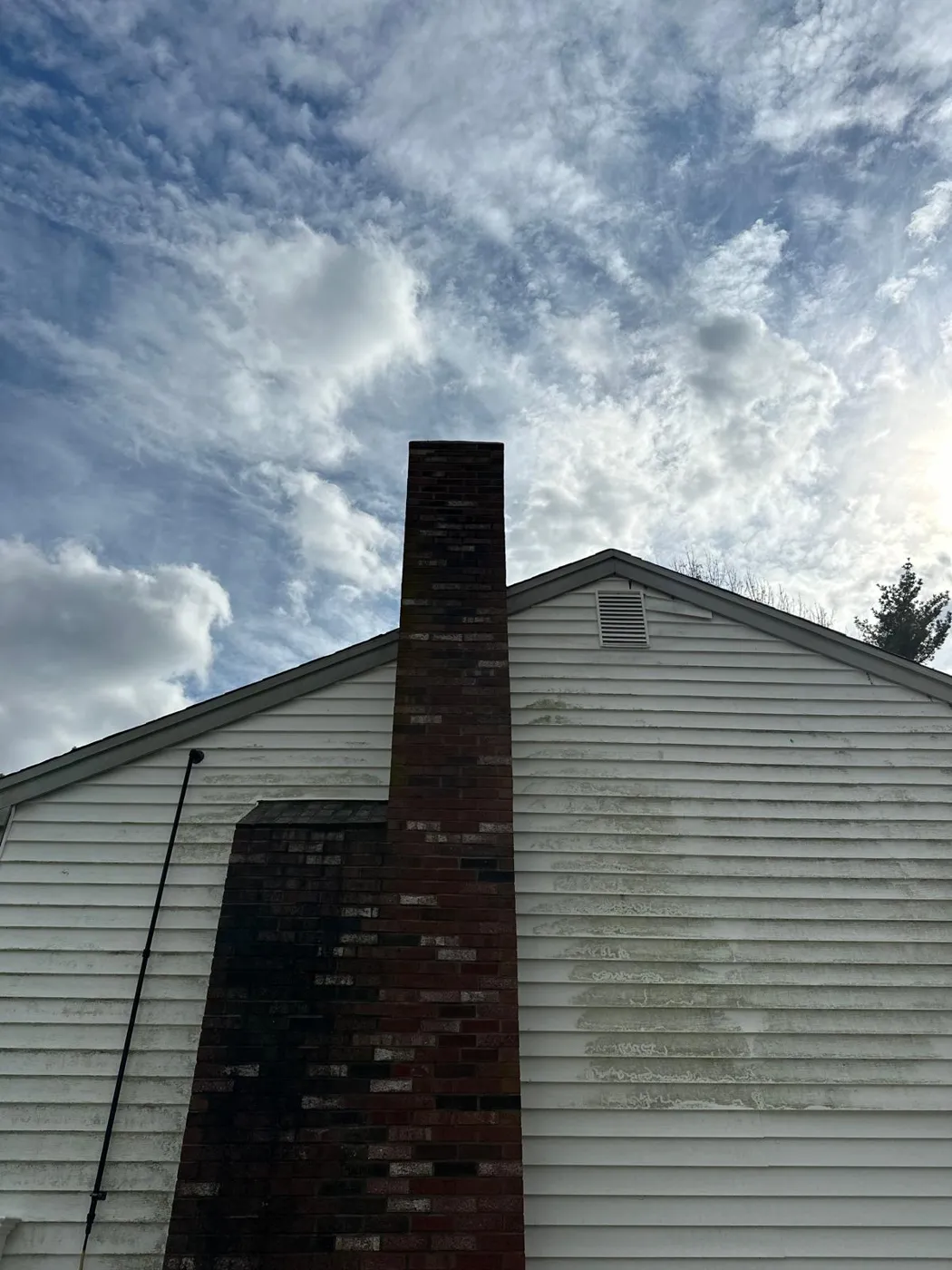
Brick lasts a very long time. The mortar between the bricks does not. On most older homes in Greater Boston, the brick is still in decent shape while the joints have gone sandy, recessed or cracked. That is when you start hearing two words that get used interchangeably: repointing and tuckpointing.
They are related but not the same, and knowing the difference helps you understand what a contractor is actually offering. This guide explains both, shows you how to tell when your mortar is failing, and covers what a proper repoint involves on chimneys, steps and brick walls in Massachusetts.
Repointing vs tuckpointing: the real difference
Repointing is the process of removing deteriorated mortar from the joints to a consistent depth and replacing it with new mortar. It is a repair. Its job is to seal the wall against water and restore the structure of the joints.
Tuckpointing is a specific finishing technique that started in England. The joints are filled with mortar colored to match the brick, then a thin, contrasting line (often white) is applied down the center of the joint to make the brickwork look crisp and uniform. In everyday use across the US, many people say tuckpointing when they simply mean repointing. When you get an estimate, ask whether they are describing a standard repoint or true tuckpointing with a decorative line, because the labor and look are different.
Signs your mortar is failing
Walk around and look closely at the joints. The common signs are mortar that is recessed back from the face of the brick, mortar that crumbles or turns to sand when you scratch it with a key, hairline or wide cracks running through the joints, gaps where mortar has fallen out entirely, and loose bricks you can wiggle.
Indirect signs count too. Damp spots on interior walls, white chalky residue on the brick (efflorescence), and water stains near a chimney can all mean water is moving through failed joints. On chimneys, mortar damage near the top usually shows up first because that section gets the most weather.
Why mortar fails faster in New England
Mortar is meant to be the sacrificial part of a brick wall. It is supposed to be slightly softer than the brick, so it wears first and can be replaced every few decades. In Massachusetts, that wear speeds up because of freeze-thaw. Water soaks into the joints, freezes at night, expands and breaks the mortar apart a little more each time.
Road salt adds to it on front steps and walkways, and older homes in towns like Brookline, Arlington and Newton often have mortar that has simply reached the end of its natural life. Past repairs done with the wrong materials make things worse, which brings up the most important point about repointing.
The mortar mix matters more than anything
Many older Massachusetts homes were built with lime-based mortar, which is softer and more flexible than modern cement-heavy mortar. If someone repoints old, soft brick with a hard Portland cement mortar, the mortar ends up harder than the brick. When the wall moves or freezes, the stress goes into the brick instead of the joint, and the brick faces crack and spall.
A good mason matches the new mortar to the existing brick and mortar in strength, color and texture. That might mean a lime-rich mix on a century-old chimney and a standard mix on newer brick. Ask what mortar type will be used and why. It is the single biggest factor in whether a repoint lasts or causes new damage.
What a proper repoint looks like, step by step
First, the old mortar is cut or raked out to a depth of roughly two to two and a half times the joint width, or until sound mortar is reached. Shallow skim coats over old mortar do not last. Next, the joints are cleaned of dust and loose material and lightly dampened so the new mortar bonds instead of drying out too fast.
The new mortar is then packed in layers, compacting each layer before adding the next. Once it firms up, the joint is tooled to a profile that matches the original and sheds water. Finally, the work is protected from rain, hot sun and frost while it cures. That curing step is why most repointing in Massachusetts is done between spring and fall.
Where repointing is needed most on a typical home
On most Massachusetts houses, the mortar does not fail evenly. The chimney above the roofline usually goes first because it is exposed on all four sides. Front steps and stoops come next, since they hold water, take foot traffic and get road salt every winter. Foundation walls and garden walls near grade suffer from splash-back and wet soil.
Walls under leaky gutters, around downspouts and below window sills also wear faster, because they stay wet longer after every storm. If you are budgeting, it often makes sense to repoint the most exposed areas first and plan the sheltered walls for later, rather than doing the whole house at once.
A walk-around with a mason can map out which areas need work now and which can wait a few years. That kind of plan lets you spread the cost over time while still stopping water before it reaches the brick.
Cost and how long a repoint lasts
As a rough guide, repointing is usually priced by the square foot of wall face or by the job. Small sections and step repairs can be a few hundred dollars, while a full chimney or a large brick wall can run into the thousands. Access, joint width, the amount of failed mortar and the mortar type all change the number. Ranges vary, so an on-site estimate is the way to get your price.
A repoint done with the right mix and proper joint depth commonly lasts decades. A quick surface patch might look fine for a year or two before it cracks out. When you compare quotes, compare the depth of removal and the mortar type, not just the price.
Frequently asked questions
- Is tuckpointing the same as repointing?
- Not exactly. Repointing replaces failed mortar in the joints. Tuckpointing is a decorative technique that adds a thin contrasting line along the joints after they are filled. Many people use the words interchangeably, so ask a contractor which one they mean.
- How often does brick need to be repointed?
- Well-done repointing commonly lasts decades. In Massachusetts, exposed areas like chimney tops and front steps usually need attention sooner than sheltered walls because of freeze-thaw and road salt.
- Can I repoint brick myself?
- Small, low areas can be a DIY project for a careful homeowner. The risks are using a mortar that is too hard for old brick and not cutting out deep enough, both of which can cause more damage. Chimneys and large walls are best left to a mason.
- What is the best time of year to repoint brick in Massachusetts?
- Late spring through early fall. Mortar needs temperatures above freezing for several days to cure properly, and should be protected from heavy rain and strong sun while it sets.
- Will new mortar match my old mortar color?
- A good mason can get close by adjusting sand, lime and pigment, and will often test a small area first. New mortar also weathers over time and usually blends in better after a season or two.
Related services
Found this helpful? Make us a preferred source on Google.
Ready for an exact price?
Get a free, no-pressure in-home estimate. Real numbers for your home, not a phone guess.