
Paver Patio Cost in Massachusetts: Brick vs Concrete Pavers Compared
· By Clemente Neto
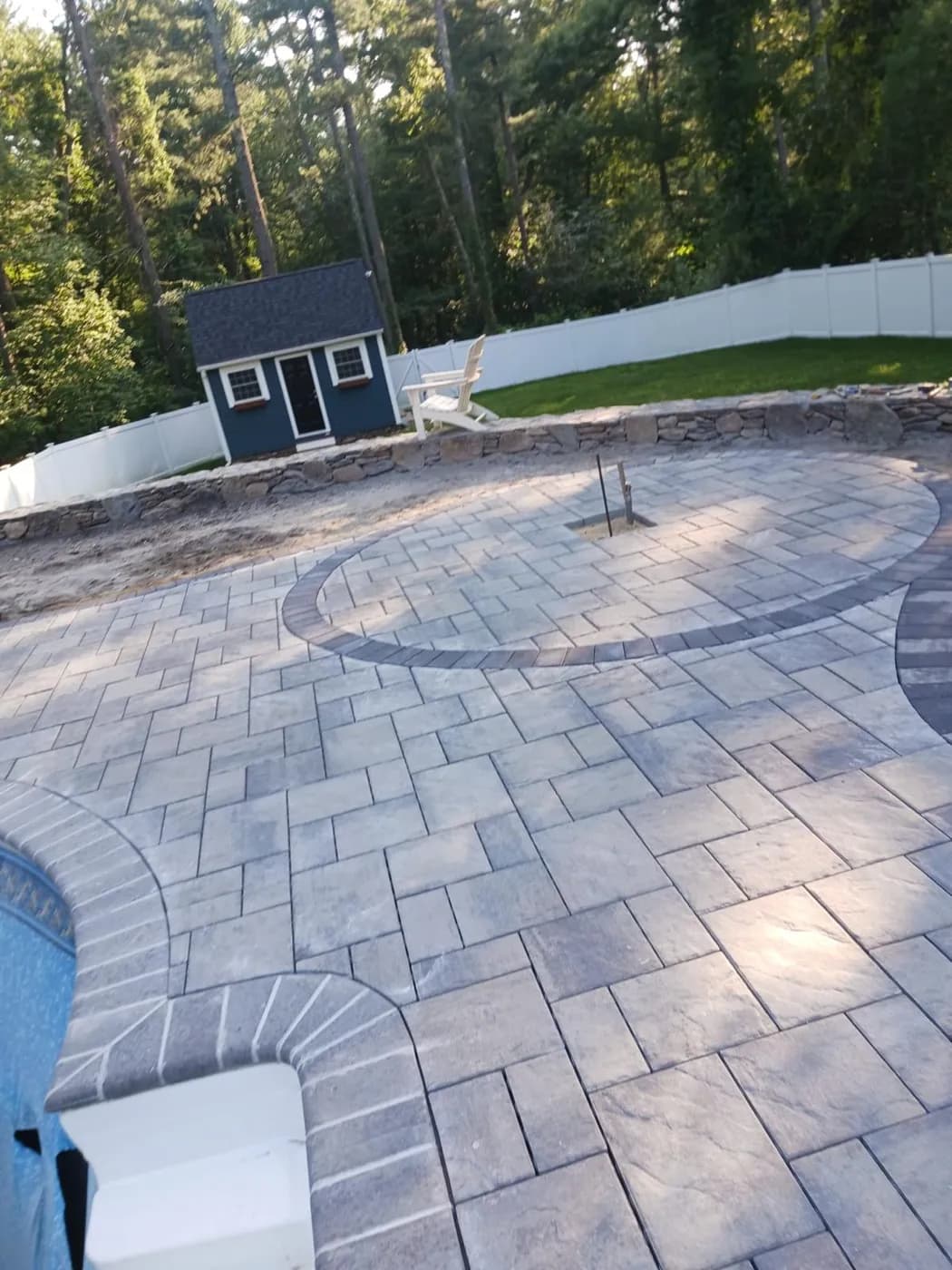
A patio or walkway is one of the projects homeowners use the most. It is where you grill, sit outside on a summer night, or walk from the driveway to the front door every day. Before you start comparing designs, it helps to know what these projects typically cost and what you are actually paying for.
This guide covers price ranges for paver and brick patios and walkways in Massachusetts, the factors that push a quote up or down, and an honest comparison of clay brick and concrete pavers in a New England climate.
Typical paver patio and walkway costs in 2026
Patios and walkways are usually priced by the square foot. As a rough guide, many homeowners in the Greater Boston area see concrete paver installations somewhere around $20 to $40 per square foot, and clay brick often lands at the higher end of that range or above it because the material and laying time cost more. Natural stone such as bluestone or granite usually sits higher still.
For context, a small walkway might be a few thousand dollars, while a 300 to 400 square foot patio commonly ends up in the five figure range once excavation, base and edging are included. These numbers are market ranges, not quotes, and they vary with site conditions. A free estimate gives you a real price for your yard.
What drives the price
The base is the biggest hidden cost and the most important part of the job. A patio that stays flat through Massachusetts winters needs the soil dug out, several inches of compacted gravel base, a bedding layer, and solid edge restraint. Skipping depth here is the most common reason patios heave and sink after a few years.
Other factors include total square footage, removing an old patio or concrete slab, grading and drainage so water runs away from the house, curves and borders that require more cutting, inlays such as circles or contrasting bands, steps or seat walls built into the design, and how easily equipment can reach the backyard.
Clay brick: the pros and cons
Clay brick pavers have a warm, natural color that does not fade, because the color runs through the clay itself. They fit older homes in places like Brookline, Belmont and Arlington, where brick sidewalks and front walks are already part of the neighborhood look.
The tradeoffs: brick usually costs more, comes in fewer shapes and sizes, and lower grade brick can chip or spall with heavy salt use. When you choose brick, ask for paving brick rated for severe weather, not standard wall brick, which is not made to be walked on and frozen year after year.
Concrete pavers: the pros and cons
Concrete pavers are dense, strong and made in a huge range of colors, textures and shapes, including large format slabs and tumbled styles that look like old cobblestone. They are generally more affordable than clay brick and easy to replace one piece at a time if a section gets damaged.
On the downside, the color on many concrete pavers is concentrated near the surface and can fade with sun and wear over the years. Some also show salt scaling if harsh de-icers are used heavily. Sealing every few years helps both issues, and quality pavers from a reputable manufacturer hold up well in New England weather.
Which lasts longer in a New England climate?
Both brick and concrete pavers can last for decades in Massachusetts when they are installed on a proper base. In practice, the installation matters more than the material. A patio with a shallow base, poor compaction or no edge restraint will shift no matter which paver is on top.
One advantage both share over poured concrete: they are flexible. Individual units move slightly with freeze thaw instead of cracking, and if a section settles it can be lifted, re-based and relaid with the same pavers. A cracked concrete slab, by comparison, usually has to be broken out and replaced.
Walkways vs patios: what changes
A walkway and a patio use the same materials, but they are not built exactly the same way. Walkways are narrow and see concentrated foot traffic, often right next to the house where roof runoff, snow piles and de-icer collect. Edging and pitch matter a lot here, because water that sits against a walk next to the foundation causes problems for both.
Patios are larger, flatter and more visible, so the pattern, borders and how the patio meets the house or lawn drive more of the design. They also need careful grading across a wide area so water does not pool in the middle. If a driveway or car will cross any part of the paving, tell your contractor: vehicle areas need a thicker base and pavers rated for that load.
Many homeowners in older neighborhoods replace a cracked concrete front walk with brick or pavers and add a patio out back a few years later. Planning both at once lets the materials, colors and borders match across the property.
Planning your project
Start with how you will use the space: a walkway only needs to be wide enough for two people to pass comfortably, while a dining patio needs room for a table and chairs to pull out. Think about where water goes in a heavy rain, where the sun hits in the afternoon, and how the patio connects to steps and doors.
When you compare quotes, ask each contractor how deep the base will be, what edge restraint they use and how they will handle drainage. Then book a free estimate so the price reflects your actual yard, not a guess.
Timing matters too. Hardscape work in Massachusetts is usually done from spring through late fall, when the ground is not frozen and the base can be compacted properly. Booking in late winter or early spring often gives you more choice on dates, and fall installs let the patio settle in before the next outdoor season.
If you are not sure whether brick or pavers fit your home better, ask to see samples in daylight next to your siding and trim. Colors look different outdoors than they do in a catalog, and seeing them on site makes the choice much easier.
Frequently asked questions
- How much does a 12x12 paver patio cost in Massachusetts?
- A 144 square foot patio often falls somewhere between a few thousand and several thousand dollars in the Boston area, depending on the paver, excavation, base depth and access. An on site estimate is the only way to get an exact number.
- Are brick pavers more expensive than concrete pavers?
- Usually yes. Clay paving brick typically costs more per square foot than standard concrete pavers, both for the material and for the time to lay it. Natural stone is generally higher than both.
- Do pavers crack in the winter?
- Individual pavers rarely crack because they can move slightly with freeze thaw. Problems like heaving or sinking usually come from a shallow or poorly compacted base, not from the pavers themselves.
- Should I seal my pavers?
- Sealing is optional but helps concrete pavers resist staining, fading and salt damage, and it keeps joint sand in place. Most homeowners who seal do it every few years.
- Is a paver patio cheaper than stamped concrete?
- Pavers often cost a bit more up front, but they are easier to repair, since sections can be lifted and relaid. Stamped concrete can crack in freeze thaw climates and is harder to fix without visible patches.
Related services
Found this helpful? Make us a preferred source on Google.
Ready for an exact price?
Get a free, no-pressure in-home estimate. Real numbers for your home, not a phone guess.