
Masonry in Winchester, MA: Granite Steps, Sloped Lots and Historic Homes
· By Clemente Neto
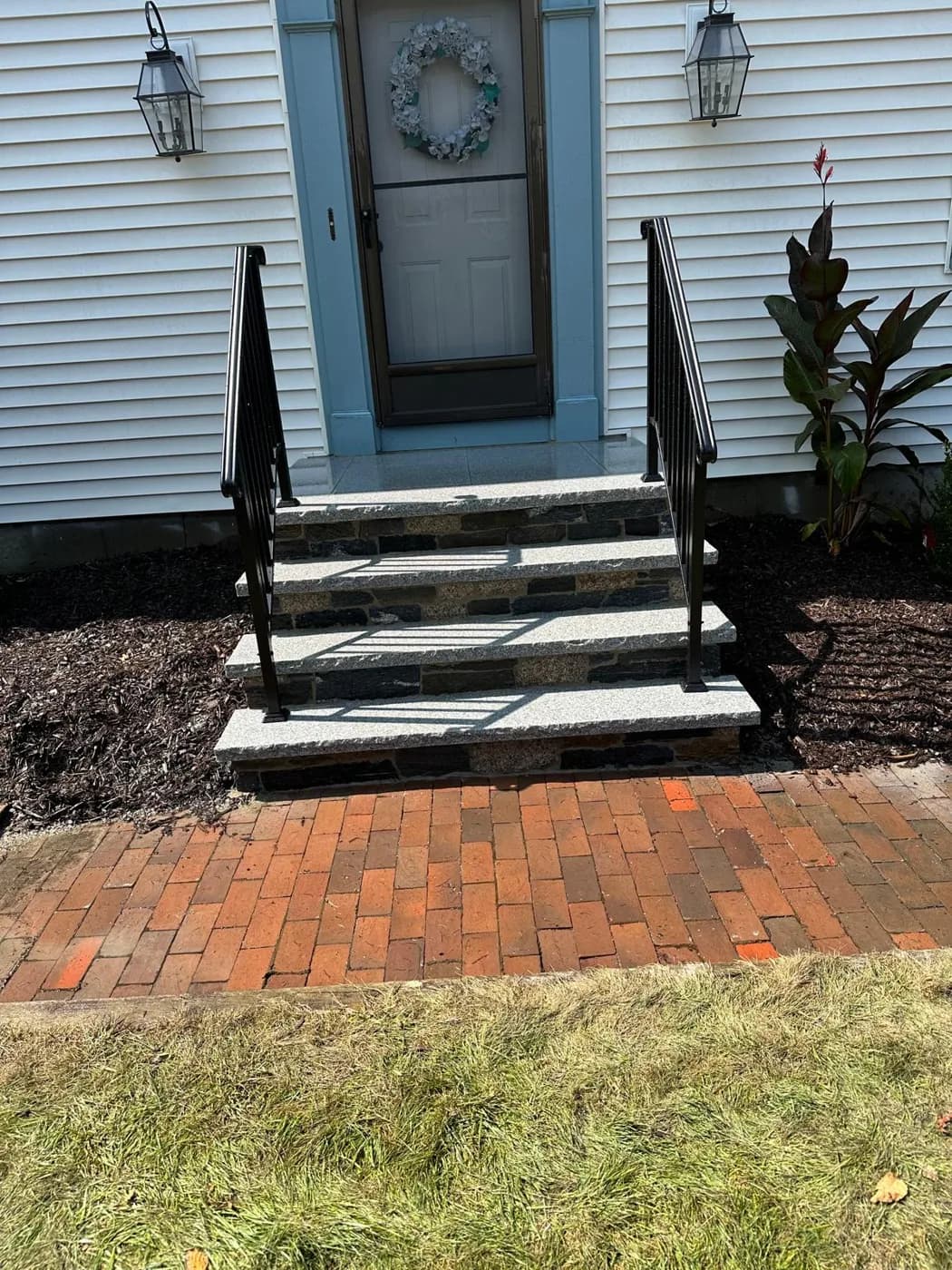
Winchester has some of the most varied residential land around Boston: big late nineteenth century homes, lakeside streets along the Mystic Lakes, wooded edges near the Middlesex Fells, and plenty of yards that rise or fall steeply from the street. Masonry here is often about handling grade and protecting older homes, not just patching mortar.
Below is a practical look at the masonry issues common in Winchester, how the local terrain affects them, rough price ranges, and the town rules worth checking before you start.
Older homes and historic areas
The Wedgemere Historic District covers what is described as the largest single nineteenth century residential development in Winchester, and the Everett Avenue and Sheffield Road Historic District runs near Mystic Valley Parkway and Mystic Lake. Both are listed on the National Register of Historic Places, and they give a good picture of the town: large Colonial Revival, Queen Anne and Shingle style homes with substantial chimneys, stone foundations and formal front entries.
National Register listing by itself does not usually restrict what a private owner does with their own money. What matters more day to day is the town bylaw described below.
Winchester's demolition delay bylaw
Winchester Town Meeting adopted a demolition delay bylaw in 1995. It lets the Historical Commission delay a demolition permit for up to 12 months on buildings it considers significant. Most masonry repairs never come near this, but a project that removes a large part of an older structure, such as taking down a historic chimney entirely or demolishing an attached porch, is worth a quick call to the building department and the Historical Commission first.
Planning early avoids the worst case, which is a crew scheduled and materials ordered while a permit sits on hold.
Sloped lots near the lakes and the Fells
Part of the Middlesex Fells Reservation lies in Winchester, and the land around it and around the Mystic Lakes is far from flat. Many homes sit above the street with long runs of steps, or below it with a driveway that sheds water toward the house. That makes retaining walls, step design and drainage the core masonry topics in town.
A retaining wall on a slope is doing real structural work. Signs of trouble include bulging, leaning, cracks that widen over a season, and water seeping through the face. Walls that hold back more than a few feet of soil, or that sit next to a driveway, need a proper footing, drainage stone and a way for water to escape behind them. Without that, frost and water pressure push them over time.
Granite steps for long entry runs
When a house sits well above the sidewalk, the entry may have many risers, sometimes broken by a landing. Granite treads are a common choice in Winchester for that kind of run because they are heavy, stable and hold up to salt and frost. Brick or stone veneer risers can match the house, and an iron railing finishes the job.
The key to long life is what you cannot see: a solid base below the frost line, a slight pitch on each tread so water runs off, and joints that are sealed properly. A beautiful set of steps on a weak base will start to shift within a few winters.
Chimneys on large older homes
Big homes often have big chimneys, sometimes more than one, and they sit high above the roofline where weather hits hardest. Typical issues are spalling brick, cracked crowns, deteriorated mortar near the top, and flashing that has pulled away from the brick. On tall chimneys, staging and roof protection are a real part of the work and the cost.
Repointing with a mortar that suits the age of the brick matters on older homes. A mortar that is too hard can trap moisture and damage softer historic brick. Ask any contractor what mix they plan to use and why.
On a large home with several chimneys, it often makes sense to inspect all of them at once. One may need only a new crown while another needs its top courses rebuilt, and combining the work under one round of staging usually saves money compared with separate visits.
Rough costs and how to plan the project
As a general market guide, granite front steps on a typical home often fall in the range of several thousand dollars to well into five figures for long runs with landings and railings. Retaining walls are usually priced by the size of the wall face, and a modest garden wall can cost far less than a tall structural wall that needs engineering. Chimney repairs run from a few hundred dollars for small fixes to many thousands for a rebuild on a tall stack.
These are typical ranges, not quotes. Slope, access for equipment, drainage work and the condition of what is underneath drive the final number. A free on-site estimate gives you a real figure. Walls over roughly four feet, or walls that support a driveway or structure, may also need a building permit and sometimes an engineered design, so ask the building department early.
Frequently asked questions
- Does Winchester have a demolition delay for older buildings?
- Yes. Winchester adopted a demolition delay bylaw in 1995 that allows the Historical Commission to delay a demolition permit for up to 12 months on significant buildings. Routine masonry repair rarely triggers it, but major removals should be checked first.
- Why do retaining walls fail on sloped Winchester lots?
- The most common causes are a shallow footing, no drainage stone behind the wall and no outlet for water. Water and frost build pressure behind the wall until it leans or bulges.
- Are granite steps worth it on a long front entry?
- For long runs that take salt and frost every winter, granite treads usually outlast brick treads and stay stable underfoot. The base underneath matters as much as the stone itself.
- Do I need a permit for a retaining wall in Winchester, MA?
- Taller walls, often those over about four feet, and walls that hold back a driveway or structure commonly need a building permit and may need an engineer. Check with the Winchester building department before you build.
- Does National Register listing in Wedgemere restrict my masonry repairs?
- Listing on the National Register by itself usually does not restrict what a private owner does with their own funds. The town demolition delay bylaw is the rule more likely to matter, and only for major removals.
Related services
Serving
Found this helpful? Make us a preferred source on Google.
Ready for an exact price?
Get a free, no-pressure in-home estimate. Real numbers for your home, not a phone guess.