
Masonry in Wellesley, MA: Granite Entries, Stone Walls and Patios
· By Clemente Neto
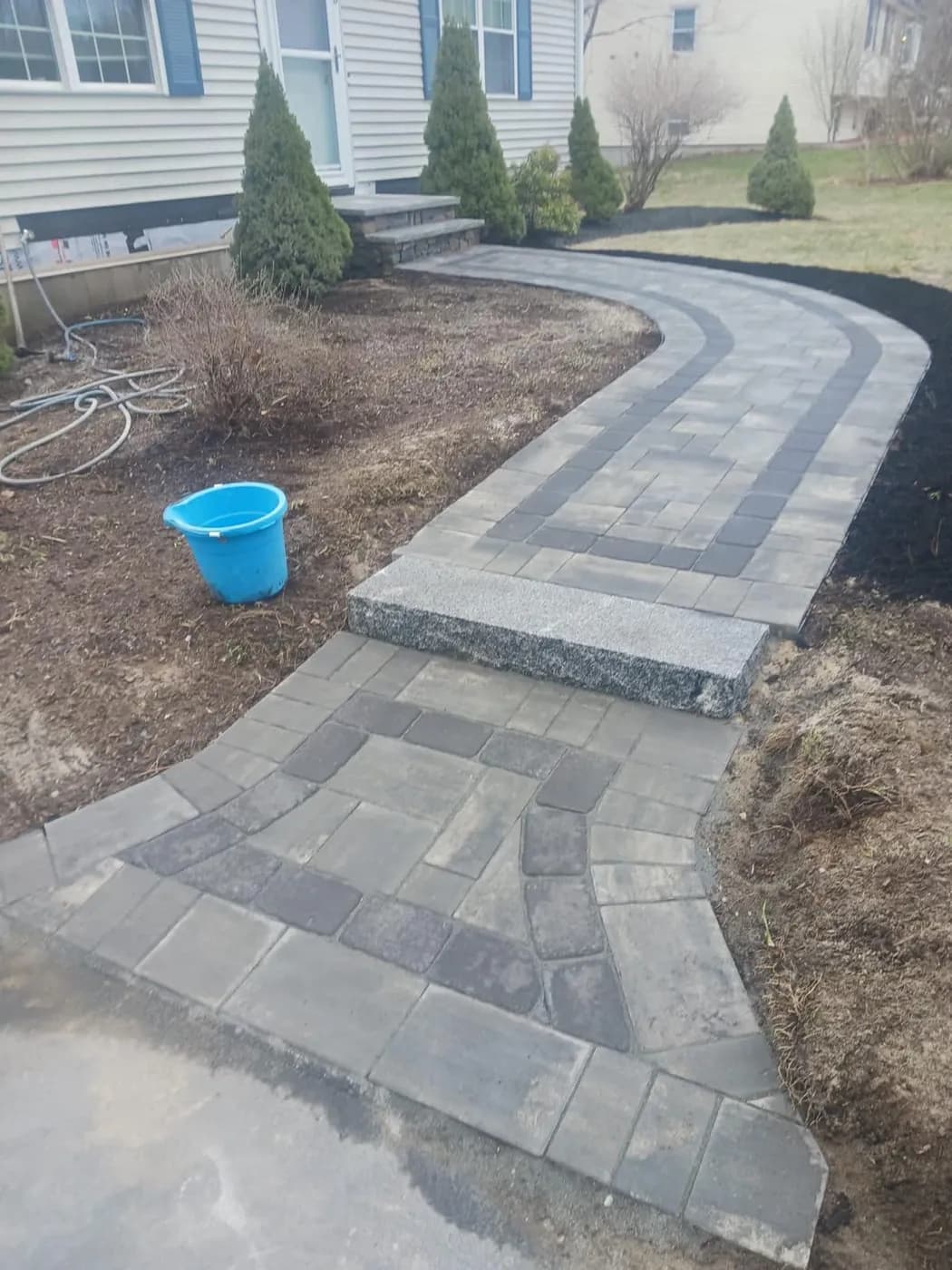
Wellesley is known for large homes on generous lots, from Wellesley Hills and Wellesley Farms to the streets around Wellesley Square and Lower Falls along the Charles River. Masonry here often means outdoor living: granite entries, stone walls, walkways and patios designed to last as long as the house.
This guide covers what to know about masonry in Wellesley, from the town's historic district to materials and design choices that hold up in New England winters, plus rough costs.
Wellesley neighborhoods and housing
Wellesley grew around its commuter rail stations on the Framingham and Worcester line, including Wellesley Hills, Wellesley Farms and Wellesley Square. At Lower Falls, the Charles River drops about 18 feet over less than a quarter mile, and the area across the river from Newton Lower Falls has a mill village history.
Housing ranges from older Colonial and Victorian homes near the village centers to large twentieth century homes and newer construction on wooded lots. Many properties have landscaped yards with stone walls, terraces and long walkways, which is where much of the masonry work in town happens.
The Cottage Street Historic District
Wellesley has one neighborhood local historic district: the Cottage Street Historic District, designated in 1980. It covers 65 properties, mainly along Cottage Street and Weston Road near Washington Street. Small cottages built for workers at a shoe factory that once stood at Cottage and Washington Streets give the district its character. The town also has five single building historic districts.
The Historic District Commission reviews exterior changes to properties in these districts through an application, public hearing and written decision. If you own a home there, plan for that review before new steps, walls or chimney work. Most Wellesley homes are outside these districts, but it is worth confirming before you design.
Granite entries and steps
Granite steps are a common choice on Wellesley homes because they suit traditional architecture and resist salt and frost. Wide treads, a generous landing and an iron railing can transform an entry. The base matters most: granite on a weak or shallow base will shift and open joints within a few winters.
Well-built granite steps sit on a compacted base below the frost line, with each tread slightly pitched to shed water. Joints between stones should be sealed to keep water out. Where an existing entry has shifted, resetting the original granite on a new base is often possible.
Stone walls, terraces and retaining walls
Many Wellesley yards have stone walls, either old fieldstone boundaries or newer walls that create terraces on sloped lots. Freestanding garden walls and retaining walls are different structures. A retaining wall holds back soil and needs a proper footing, drainage stone behind it and an outlet for water. Without that, frost and water pressure push it outward over time.
Taller walls, often over about four feet, or walls that support a driveway or structure may need a building permit and an engineered design. Ask the building department early. On wooded lots, tree roots can also displace walls, so wall placement should account for mature trees.
Patios and walkways built for winter
Patios and walkways are popular in Wellesley's large yards. Pavers, brick, bluestone and granite all work, but how they are installed matters more than the surface. The most common failure is heaving and settling caused by an inadequate gravel base or poor drainage.
A durable patio has excavation to the right depth, compacted gravel base, edge restraint and a slight pitch away from the house. Near Morses Pond or other low, wet areas, extra attention to drainage helps prevent heaving. Paver systems are often easier to repair than mortared surfaces, since individual units can be lifted and reset.
Material choice also affects maintenance. Bluestone and granite look natural and last for decades, but they cost more and need a careful base. Concrete and clay pavers come in many styles, are easier to replace piece by piece and handle snow shoveling well when installed correctly.
Typical costs in Wellesley
As a rough market guide, granite entry steps commonly range from several thousand dollars to well into five figures for wide entries with landings and railings. Patios and walkways are often priced by the square foot, with natural stone typically costing more than pavers. Retaining walls vary widely by height, length and engineering needs. Chimney repairs range from a few hundred dollars to several thousand or more.
These are typical ranges, not quotes. Access, grade, drainage and material choice drive the final price. A free on-site estimate gives you a figure for your property.
On larger properties, it often pays to plan the entry, walkways and patio together. A single design keeps materials, heights and drainage consistent, and doing the work in one phase can reduce mobilization and restoration of the lawn compared with spreading it over several seasons.
Frequently asked questions
- Does Wellesley have a local historic district?
- Yes. The Cottage Street Historic District, designated in 1980, covers 65 properties near Cottage Street, Weston Road and Washington Street. The town also has five single building historic districts reviewed by the Historic District Commission.
- Why do patios and walkways heave in Wellesley winters?
- Usually because the gravel base is too thin or the area does not drain. Water in the soil freezes and lifts the surface. Proper excavation, a compacted base and good pitch prevent most heaving.
- Can shifted granite steps be reset instead of replaced?
- Often yes. The original granite can usually be lifted, the base rebuilt and the treads reset. Cracked or undersized pieces may need replacement.
- Do retaining walls in Wellesley need a permit?
- Taller walls, often over about four feet, and walls supporting a driveway or structure commonly need a building permit and sometimes engineering. Check with the Wellesley building department first.
- Which is better for a Wellesley patio, pavers or natural stone?
- Both work. Natural stone like bluestone or granite has a classic look and long life but costs more. Pavers are often more affordable and easier to repair. In either case, the gravel base and drainage matter most.
Related services
Serving
Found this helpful? Make us a preferred source on Google.
Ready for an exact price?
Get a free, no-pressure in-home estimate. Real numbers for your home, not a phone guess.