
Masonry in Everett, MA: A Homeowner's Guide to Steps, Chimneys and Walls
· By Clemente Neto
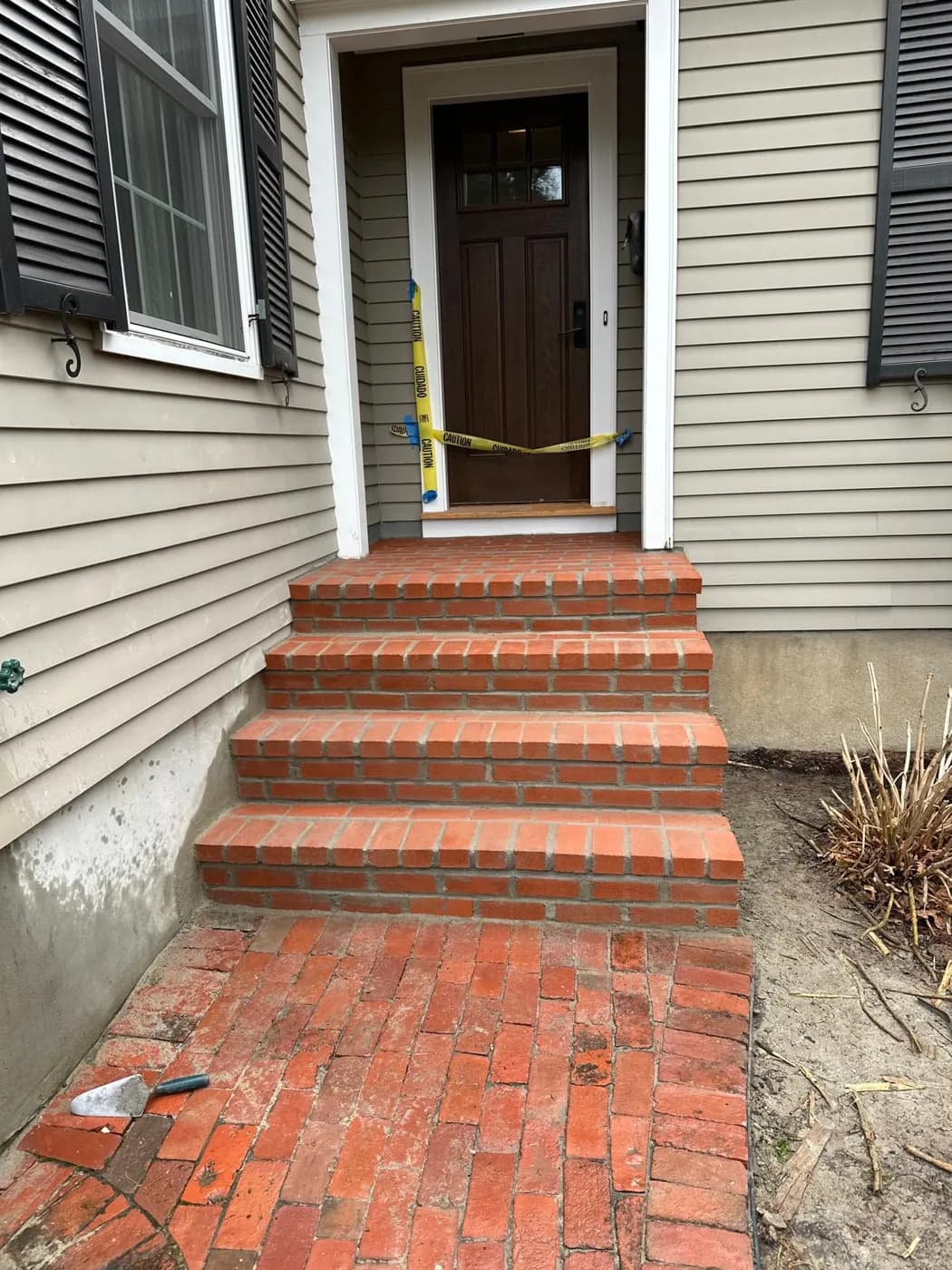
Everett is where Neto Painting & Masonry is based, and it is a city with a very particular kind of housing. Much of it is dense, older multifamily stock: triple-deckers, two-families and narrow single-family homes set close to the sidewalk. That shapes almost every masonry decision an owner makes here.
This guide covers the problems that show up most on Everett homes, how the layout of a typical lot changes the job, rough market price ranges, and what to check with the city before work starts.
What Everett housing looks like, and why it matters for masonry
Between roughly 1880 and 1930, thousands of triple-deckers went up across Boston and the cities around it, and Everett was part of that wave. You see them along side streets off Broadway and Ferry Street, and in neighborhoods like Glendale and Woodlawn, where low-rise triple-deckers sit between Broadway and the Malden River.
A triple-decker usually has a brick or stone foundation, one or more brick chimneys, and front steps that serve three households instead of one. That means more foot traffic on the steps, more water and salt in winter, and more people affected when something cracks. On a multifamily building, a loose step or a leaning chimney is not just a cosmetic issue. It is a safety issue for tenants and a liability question for the owner.
Front steps: the repair Everett owners ask about most
Because so many Everett homes sit close to the sidewalk, the front steps are often the first thing a visitor touches and the first thing to fail. Brick steps take a beating from freeze and thaw cycles: water gets into the joints, freezes, expands and pushes bricks loose. Rock salt speeds that up by breaking down the mortar and the face of softer brick.
Early signs are crumbling joints, a tread that rocks underfoot, a railing post that wobbles in its base, or a gap opening between the steps and the house. If you catch it early, repointing and resetting a few bricks may be enough. If the base has settled or the core is soaked, the honest answer is often a rebuild, sometimes with granite treads on top, which handle salt and traffic far better than brick alone.
On a tight lot, access matters too. Crews may need to stage materials on the sidewalk or in a shared driveway, so it helps to plan with neighbors and, if anything sits on the public way, to ask the city about any permit for sidewalk use.
Chimneys on older multifamily homes
Many Everett houses still carry their original brick chimneys, even where the heating system has changed several times. A chimney that no longer vents a boiler still takes the full force of wind and rain above the roofline. Common problems are a cracked or missing crown, loose bricks near the top, failed flashing where the chimney meets the roof, and mortar that has washed out of the joints.
Leaks around a chimney often show up as stains on a top-floor ceiling, which in a triple-decker may be a tenant reporting the problem before the owner sees it. Repointing, a new crown and new flashing handle a lot of cases. A chimney that leans or has many loose courses usually needs to be taken down and rebuilt from the roofline up.
Foundations, walkways and small yards
Everett lots tend to be small, so walkways, side paths and back steps carry a lot of daily use in very little space. Brick or paver walkways that were laid without a proper gravel base heave in winter and become trip hazards. Older brick and stone foundations can lose mortar near grade, where snow piles up against them every year.
For a small yard, a well-built paver walkway or a short brick path with a solid base and good drainage often does more for safety and curb appeal than a larger project would. Directing water away from the foundation is usually part of the fix, not an extra.
Typical cost ranges in the Everett area
As a rough guide, small repointing or spot repairs on steps often land in the low thousands of dollars. Rebuilding a set of brick front steps commonly runs from several thousand dollars up toward the low five figures, depending on the number of steps, the width, whether granite treads are added and how much of the base needs to come out. Chimney work ranges widely, from a few hundred dollars for minor repairs to several thousand or more for a rebuild above the roofline.
These are typical market ranges, not a quote. Access on a tight city lot, staging, railing work and the condition hidden under the surface all move the number. A free on-site estimate is the only way to get a price you can plan around.
Permits and planning in Everett
Structural masonry work, such as rebuilding a chimney or steps that are part of the building's egress, often needs a building permit. Check with Everett's Inspectional Services Department before work starts, and ask whether anything about the building's age triggers extra review. Older structures in some Massachusetts cities can be subject to demolition review, so it is worth asking before any significant teardown.
In Massachusetts, contractors working on existing one to four unit owner-occupied homes generally need to be registered as Home Improvement Contractors, and you can look that up on the state website. On a rental property, plan the work around tenants: give notice, keep at least one safe entrance open, and agree on a schedule in writing.
Frequently asked questions
- Why do brick front steps fail so often on Everett homes?
- Most Everett homes face long winters of freeze and thaw plus heavy use of rock salt, and many steps serve several households. Water enters the mortar joints, freezes and pushes the bricks apart, and salt wears down the mortar and the brick face over time.
- Do I need a permit to rebuild front steps in Everett, MA?
- Often yes, especially when the steps are part of the building's main exit. Check with Everett's Inspectional Services Department before work begins. A contractor can usually help with the application.
- Can a chimney that no longer vents anything just be left alone?
- An unused chimney still faces weather above the roofline. If the crown, flashing or top courses fail, it can leak into the top floor or drop loose bricks. Some owners repair it, and some take it down below the roofline. An inspection helps you choose.
- Is granite better than brick for steps in a busy multifamily building?
- Granite treads generally hold up better to foot traffic, salt and freeze and thaw than brick treads. Many owners keep brick risers for the look and add granite on top for durability.
- How do I get an accurate price for masonry work in Everett?
- Book a free on-site estimate. Seeing the steps, chimney or wall in person is the only way to account for access, staging and the condition under the surface.
Related services
Serving
Found this helpful? Make us a preferred source on Google.
Ready for an exact price?
Get a free, no-pressure in-home estimate. Real numbers for your home, not a phone guess.