
How to Protect Brick Steps, Walkways and Pavers Through a Massachusetts Winter
· By Clemente Neto
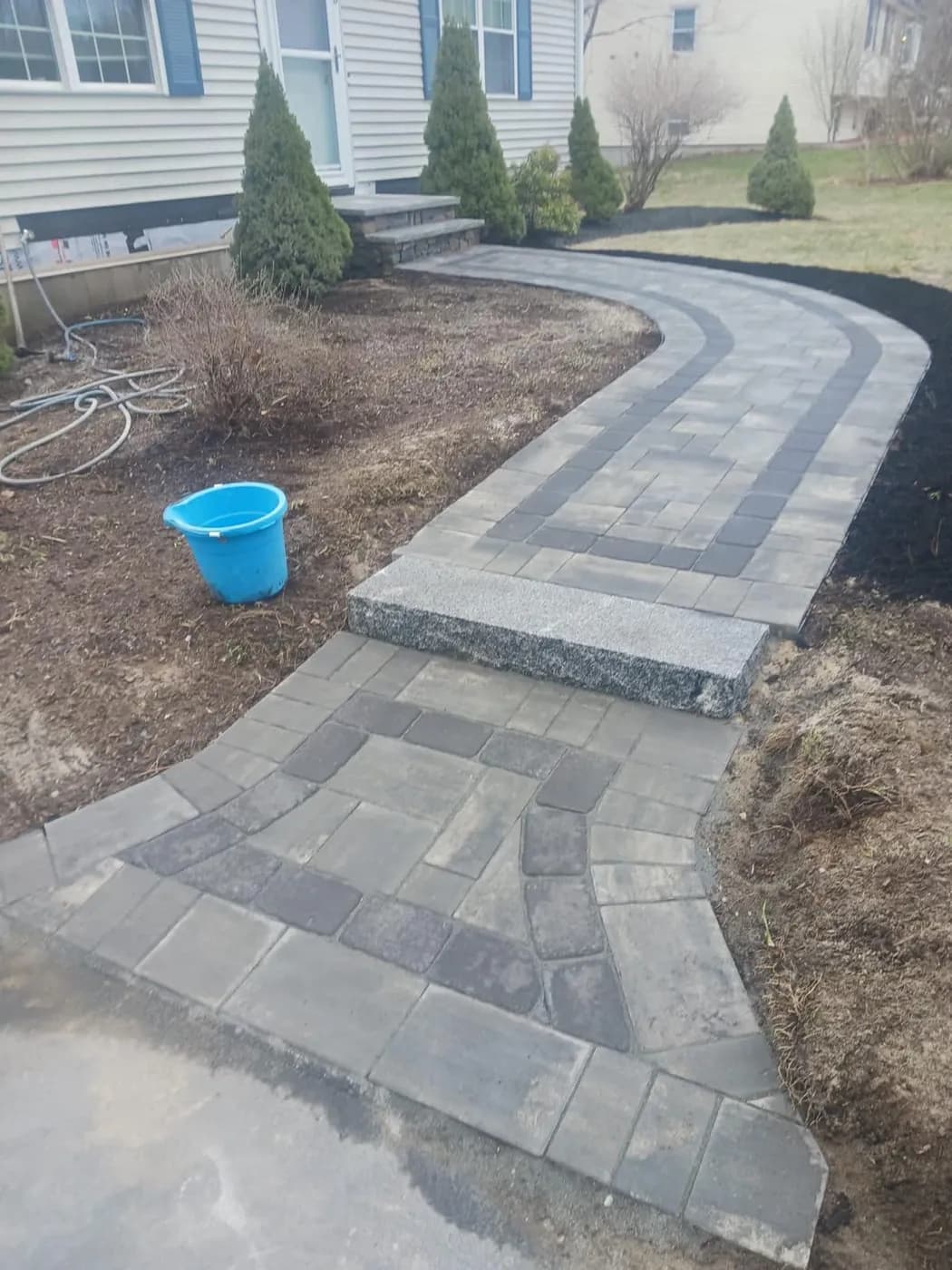
Massachusetts winters are hard on masonry. It is not just the cold. It is the constant cycle of melting during the day and freezing at night, the rock salt spread on every step and sidewalk, and the snow shovels and plows that scrape across the surface. Brick steps, walkways and paver patios take all of it.
The good news is that a little preparation in the fall and a few smart habits during the winter prevent most of the damage we repair every spring. Here is a simple plan from a mason who sees what winter does to brick and pavers around Greater Boston every year.
How winter damages brick and pavers
Brick, mortar and concrete pavers all absorb some water. When that water freezes it expands, pushing the material apart from the inside. One freeze does little, but a typical New England winter brings dozens of freeze thaw cycles, and each one opens small cracks a little more. Over time that shows up as crumbling mortar joints, flaking brick faces and pavers that heave or sink.
Salt makes it worse. Rock salt (sodium chloride) lowers the freezing point, which means more melting and refreezing at the surface, and the salt crystals themselves can push apart the outer layer of brick and concrete. Standing water from clogged gutters or poor grading adds even more moisture for frost to work on.
Fall: fix small problems before the first freeze
Late fall is the best time to look over your steps, walkways and patio. Look for open or missing mortar joints, loose bricks, cracked caps, joint sand washed out between pavers, and spots where water puddles. Every gap is an entry point for water, and winter turns small gaps into loose bricks and sunken pavers.
Have open joints repointed and loose bricks reset before temperatures drop, since mortar needs time above freezing to cure. On paver surfaces, sweep polymeric or regular joint sand back into empty joints. Clean out gutters and make sure downspouts discharge away from steps and walkways, not onto them.
Should you seal brick or pavers?
A good breathable penetrating sealer can help brick and concrete pavers shed water and resist salt and staining. The key word is breathable. Film forming sealers that sit on top of brick can trap moisture inside, and when that moisture freezes it can pop the surface off. For brick, look for a water repellent made for masonry, usually silane or siloxane based.
Sealing should be done on clean, dry masonry in mild weather, typically late summer or early fall, so the product has time to cure before winter. On pavers, many homeowners reseal every few years. Brand new mortar or concrete usually needs to cure for a period before sealing, so follow the product directions or ask your mason.
Choosing a de-icer that is easier on masonry
Plain rock salt is cheap and works, but it is one of the harshest choices for brick, mortar and new concrete. Calcium magnesium acetate (CMA) and products based on calcium chloride or magnesium chloride are generally gentler on masonry and work at lower temperatures, though they cost more. Sand or grit adds traction without melting anything, which is a good option on steps.
Whatever you use, use less. Apply only enough to break the bond between ice and the surface, then shovel. Avoid any de-icer containing ammonium nitrate or ammonium sulfate, which can attack concrete and mortar. On new masonry in its first winter, many masons suggest using sand only.
Shoveling and plowing without damage
Shovel early, before foot traffic packs snow into ice. A plastic shovel or one with a rubber edge is less likely to chip brick edges and paver corners than a bare steel blade. On steps, shovel along the tread rather than chopping at ice.
If you use a snow blower or a plow service, ask them to raise the blade or skid shoes slightly over paver driveways and walkways, and mark the edges of walks and patios with stakes before the first storm. Do not pile snow against brick walls, steps or foundations, where meltwater will soak in for weeks.
Watch for drainage problems
Most of the winter damage we fix starts with water going to the wrong place. A downspout that empties onto the front steps, a walkway that slopes toward the house, or a patio that was graded flat will all hold water right where frost can work on it.
During a winter rain or thaw, step outside and watch where the water goes. If it pools on steps or pavers, runs toward the foundation, or freezes into a sheet across the walk every night, that is worth fixing. Sometimes it is as simple as a downspout extension. Other times a section of walkway needs to be lifted and re-pitched, or a small drain added. Fixing drainage is often the single most effective thing you can do to make masonry last.
Spring check: catch winter damage early
Once the snow is gone, walk your steps, walkways and patio again. Look for new cracks, joints that opened up, loose or spalled bricks, pavers that heaved or sank, and white powder (efflorescence), which shows water is moving through the masonry.
Small issues caught in April are usually simple repairs. Left through another winter they tend to become rebuilds. If you see damage and are not sure how serious it is, schedule a free estimate and have a mason take a look.
Keep a simple record of what you see each spring: a photo of the steps, the walkway and the patio from the same angle every year. Comparing the photos makes slow changes easy to spot, such as a tread that is tilting a little more each season or a joint line that keeps widening.
Those small changes are much easier and less expensive to deal with early. A mason can usually repoint a few joints or reset a handful of pavers in a short visit, while waiting several more winters often means pulling the whole section and rebuilding the base underneath.
Frequently asked questions
- What is the best sealer for brick steps?
- For brick, a breathable penetrating water repellent made for masonry, usually silane or siloxane based, is generally recommended. Avoid glossy film forming coatings that can trap moisture inside the brick.
- Is rock salt bad for brick and pavers?
- Rock salt can speed up freeze thaw damage and cause surface flaking on brick, mortar and concrete pavers. Gentler de-icers, used sparingly, or sand for traction are better choices for masonry.
- How often should pavers be sealed?
- Many homeowners reseal concrete pavers every few years, depending on traffic, sun and the product used. Sealing is optional but helps with color, stains and keeping joint sand in place.
- Can masonry repairs be done in winter?
- Most mortar work needs temperatures above freezing for proper curing, so repointing and rebuilding are usually scheduled from spring through fall. Emergency repairs in cold weather require special precautions.
- Why do my pavers heave in the winter?
- Heaving usually comes from water in the base freezing and expanding. It points to a shallow base, poor compaction or bad drainage. Pavers that heave can often be lifted, re-based and relaid.
Related services
Serving
Found this helpful? Make us a preferred source on Google.
Ready for an exact price?
Get a free, no-pressure in-home estimate. Real numbers for your home, not a phone guess.