
How to Choose a Masonry Contractor in Massachusetts (Homeowner Checklist)
· By Clemente Neto
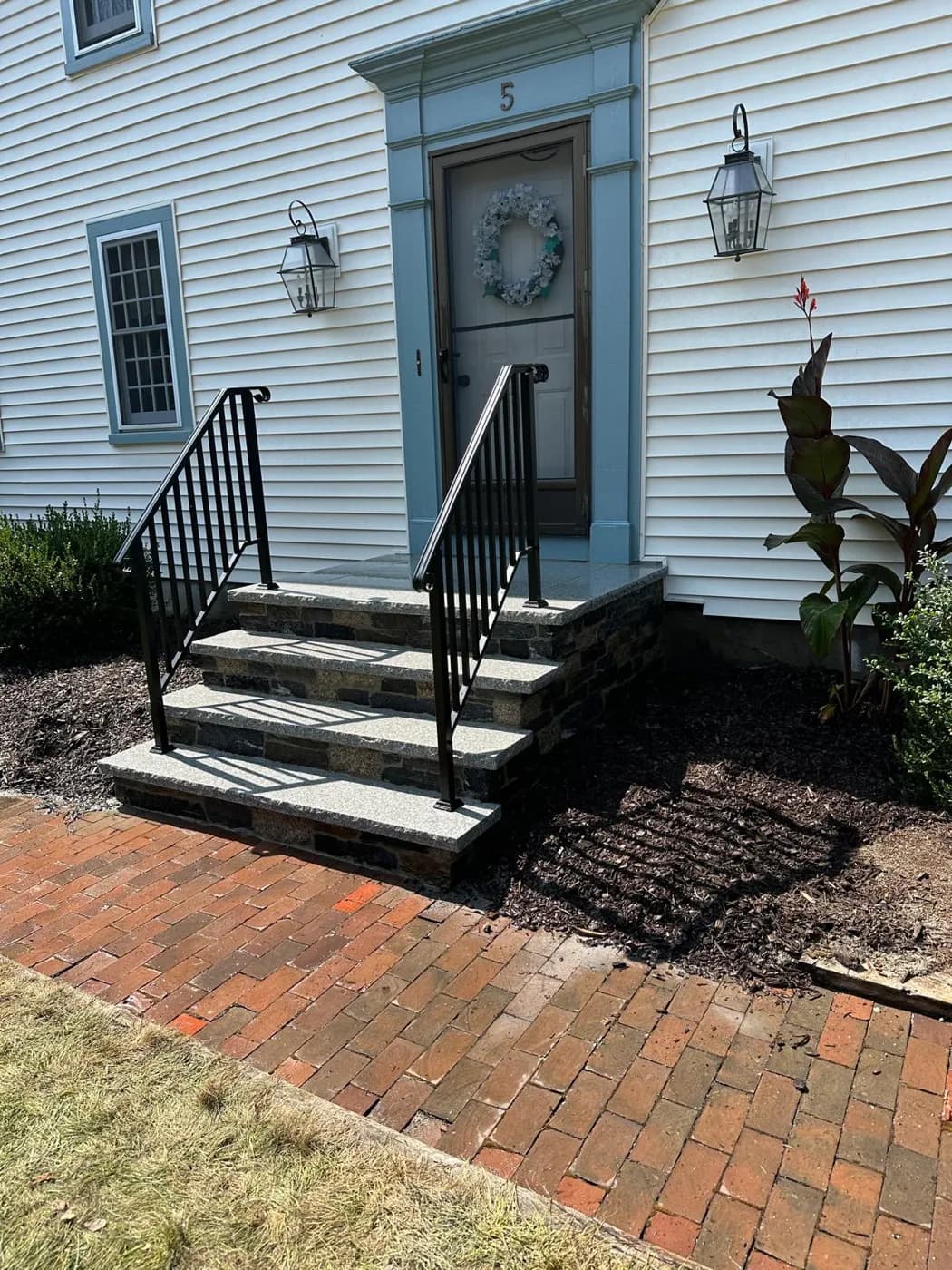
Masonry work is built to last decades, which means a bad job can haunt you for just as long. Steps that sink, chimneys that leak and retaining walls that lean are almost always traced back to shortcuts below the surface, where you cannot see them once the job is done.
Hiring the right mason is the best protection you have. This checklist covers the registrations Massachusetts expects from contractors, how to compare estimates fairly, and the questions that separate careful contractors from the rest.
Massachusetts HIC registration: what it is
In Massachusetts, contractors who do most home improvement work on existing owner occupied homes of one to four units are generally required to register with the state as a Home Improvement Contractor (HIC). The program is run by the Office of Consumer Affairs and Business Regulation under Chapter 142A of the state law.
Hiring a registered contractor matters for you as a homeowner. Chapter 142A sets rules for home improvement contracts, and homeowners who hire a registered contractor may have access to the state Guaranty Fund, which can reimburse some losses if a registered contractor fails to perform and a claim is proven. You can look up any HIC registration on the Mass.gov website before you sign.
Construction Supervisor License (CSL)
The Construction Supervisor License is a separate credential issued by the Board of Building Regulations and Standards. It is generally required for the person who supervises work that needs a building permit and involves structural elements, such as rebuilding a chimney, structural steps, or certain retaining walls.
Not every masonry job requires a CSL, and small repairs like repointing may not need a building permit at all. For larger structural work, ask who will pull the permit and whose license it will be pulled under, and confirm it through the state lookup tool.
Insurance and lead safe practices
Ask for a certificate of insurance showing general liability coverage, and workers compensation if the contractor has employees. Masonry is heavy, physical work on ladders, roofs and staging. If an uninsured worker is hurt on your property, it can become your problem.
If your home was built before 1978, which describes a large share of houses in towns like Everett, Brookline and Newton, any work that disturbs painted surfaces may fall under federal and Massachusetts lead safe renovation rules. A contractor working on painted trim, porches or siding on an older home should be able to explain how they handle lead safe work.
Get a written estimate and contract
Massachusetts law requires home improvement contracts over a certain amount (generally $1,000) to be in writing and include specific details, such as the parties, a description of the work, the total price, the payment schedule and start and completion dates. Under Chapter 142A, a contractor generally cannot require more than one third of the price as a deposit before work begins, except for special order materials.
Beyond the legal minimum, a good masonry estimate explains how the job will be built: what will be removed, how deep the base or footing will go, what drainage is included, what materials and mortar will be used, and how the site will be cleaned up. If two estimates are far apart, compare these details first. The cheaper one often leaves something out below grade.
Questions to ask before you hire
Ask to see photos of similar work, ideally local jobs that have been through a few winters. Ask whether they will repair or rebuild and why. Ask how they handle freeze thaw and road salt in their design, how they match old brick and mortar on older homes, who will actually be on site, and how changes to the scope are priced.
Pay attention to how the contractor answers. A good mason explains the cause of the problem, not just the fix, and is willing to tell you when a repair is enough instead of selling a full rebuild.
Check reviews and past work the right way
Online reviews help, but read them for detail rather than the star count alone. Look for reviews that describe the type of job you are planning, mention how the crew handled problems, and talk about how the work held up afterward. A few honest mixed reviews with thoughtful replies from the owner are often more useful than a long list of one line ratings.
If you can, drive by a job the contractor finished a few years ago. Masonry tells the truth over time. Steps that are still level, joints that are still tight and walls that still stand straight after several Massachusetts winters are the best references any mason can offer.
Red flags to watch for
Be careful with anyone who shows up uninvited after a storm, asks for most of the money up front, will only take cash, cannot give you a registration number, pressures you to sign the same day, or gives a price without looking closely at the job. Storm chasers and door knockers are common after hard New England winters.
Also watch for estimates that are vague (just "fix steps" with a single number), promises that sound too good, and contractors who refuse to put warranty terms or timelines in writing.
Next step
Get at least two or three written estimates, check registrations online, and choose the contractor who explains the work most clearly, not just the lowest price. If you are planning steps, chimney work, a patio or a retaining wall, request a free estimate and ask every question on this list.
Take your time with the decision. A reputable masonry contractor will not push you to sign on the spot, and most good crews are booked out a few weeks or more during the busy season, especially in spring. Starting early gives you room to compare estimates carefully, check registrations and ask follow up questions without feeling rushed.
Once you choose, keep a copy of the signed contract, the payment receipts and any change orders together. That paperwork protects you if questions come up later and makes any future warranty or service request much simpler.
Frequently asked questions
- Does a masonry contractor need a license in Massachusetts?
- Most contractors doing home improvement on existing owner occupied homes of one to four units must register as a Home Improvement Contractor. Structural work that requires a building permit generally also requires a Construction Supervisor License holder.
- How do I check a contractor HIC registration in Massachusetts?
- The state offers an online license and registration lookup on Mass.gov. You can search by the contractor name or registration number to confirm it is active.
- How much deposit should a masonry contractor ask for?
- Under Massachusetts home improvement law, a contractor generally cannot require more than one third of the contract price before work starts, except for special order materials.
- What should a masonry estimate include?
- A clear scope of work, materials, base or footing details, drainage, removal and cleanup, the total price, the payment schedule and the expected start and finish dates.
- How many estimates should I get for masonry work?
- Two or three written estimates are usually enough to compare scope and price. Compare what is included below the surface, not just the total.
Found this helpful? Make us a preferred source on Google.
Ready for an exact price?
Get a free, no-pressure in-home estimate. Real numbers for your home, not a phone guess.