
How Much Does It Cost to Paint a House Exterior in Massachusetts? (2026 Guide)
· By Clemente Neto
Exterior paint does more than make a house look good. On the wood clapboards, trim and porches common across Greater Boston, paint is the layer that keeps water out of the siding. When it peels and cracks, moisture gets in, and that is when rot, mold and bigger repair bills start.
If your house is due for a fresh coat, this guide explains what exterior painting typically costs in Massachusetts in 2026, what moves the price, how often you should plan to repaint, and when the weather actually allows the work to be done right.
Typical exterior painting price ranges in 2026
As a rough guide, many Massachusetts homeowners spend somewhere between about $5,000 and $15,000 to have the exterior of an average sized single family home professionally painted. Smaller ranches and capes can come in under that, while large colonials, Victorians and multi family homes with lots of trim often run higher.
Some painters quote by the square foot of paintable surface, often a few dollars per square foot, but most give a project price after seeing the house. These are market ranges only, and every house is different. A free on site estimate is the only way to get a number that reflects your siding, trim and prep needs.
What drives the cost
Prep is where most of the labor goes, and it is also what decides how long the paint lasts. Scraping loose paint, sanding, replacing rotted boards, caulking joints, spot priming bare wood and setting nails all happen before any finish coat goes on. A house that has been neglected for years needs much more prep than one painted on schedule.
Other factors include the height of the house and how much ladder or staging work it needs, the amount and detail of trim, shutters, porches and railings, the number of colors, the quality of paint, and whether the house was built before 1978. Older homes in Everett, Melrose and Winchester often have layers of lead based paint underneath, and federal and state rules require lead safe work practices when it is disturbed, which adds time and containment.
How often should you paint the exterior of your house?
In New England, most painted wood siding needs repainting roughly every 5 to 10 years. The sunny south and west sides usually wear first, so you may see peeling there years before the shaded north side shows anything.
Watch for these signs: paint that is peeling, cracking or chalking (leaving a powder on your hand), bare wood showing at the bottoms of clapboards, gaps in caulking around windows and trim, and soft spots in sills and corner boards. Catching it early keeps the job to a repaint instead of a repaint plus carpentry.
Trim, doors and porch floors often need attention sooner than the siding itself, because they take more weather and wear. Touching up those areas every few years, between full repaints, is an inexpensive way to protect the wood and stretch the life of the whole paint job.
The best time of year to paint in Massachusetts
Exterior paint needs dry surfaces and mild temperatures to cure properly. In Massachusetts, the practical painting season typically runs from late spring through early fall, roughly May into October, with late spring and early fall often the sweet spots: warm enough, but without the extreme heat and humidity of midsummer.
Most paints list a minimum application temperature, often around 35 to 50 degrees depending on the product, and the surface needs to stay above that while it cures. Painters also watch for dew in the evening and rain in the forecast. Booking early in the year helps, because good painters fill their summer schedules quickly.
Why older Massachusetts homes cost more to paint
A lot of the housing stock around Boston is 80 to 120 years old or more. Those homes have wood clapboards, deep trim, porch columns, brackets and window sashes that all take time to scrape, prime and paint by hand. Many have been painted a dozen times, and the oldest layers can let go all at once, which means more scraping and more priming of bare wood.
Triple deckers and multi family homes add height, multiple porches and often tight lot lines, so staging and ladder work take longer. None of this means an older house is a bad candidate for paint. It just means the estimate should reflect the real prep involved, and a quote that seems low for a big Victorian may be skipping steps that decide how long the job lasts.
Do not forget the masonry
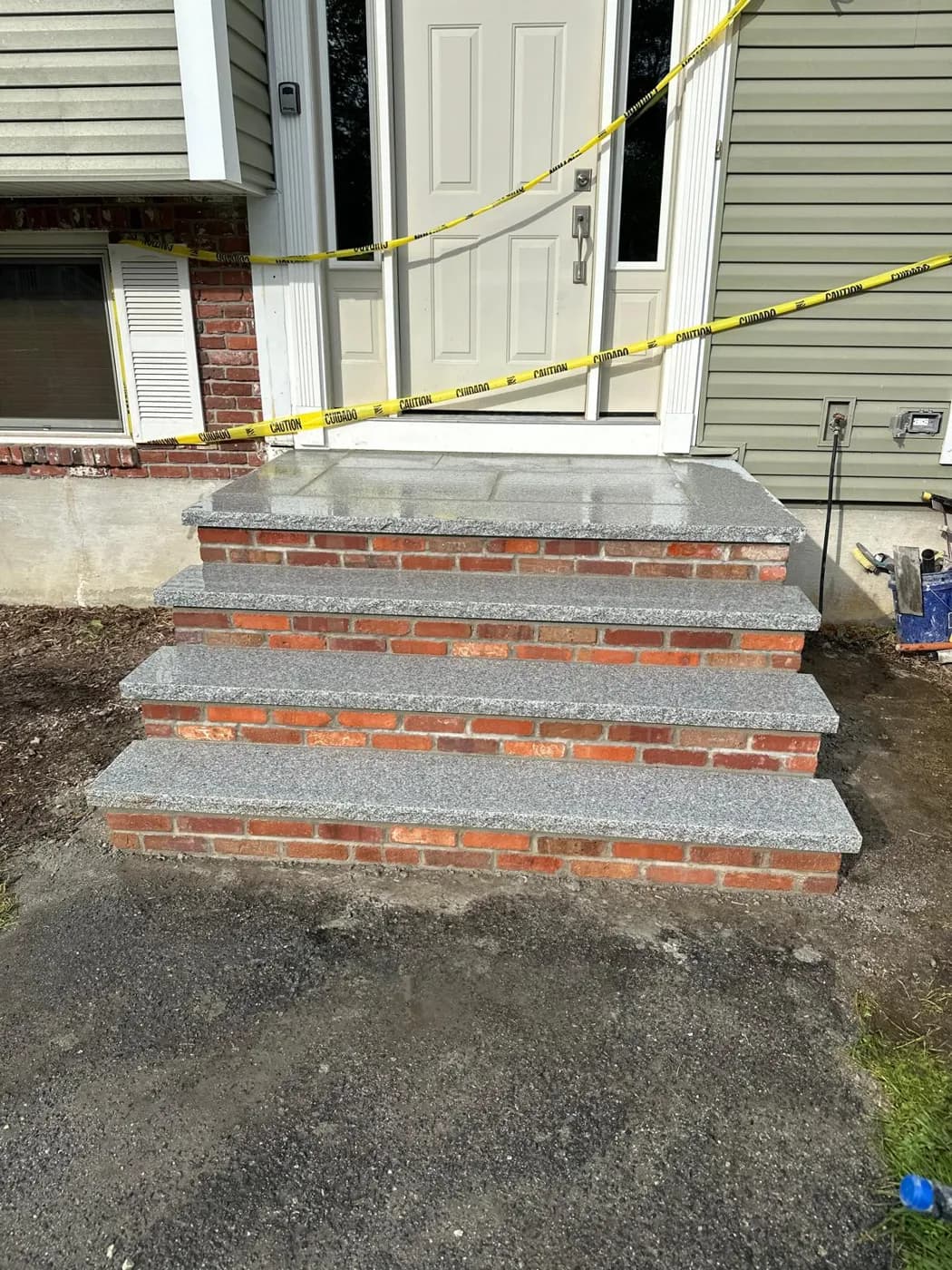
A full exterior refresh often reveals masonry problems that sit right next to the paint: crumbling chimney mortar, loose brick steps, or a foundation parge coat that is flaking. Painting over a wall or trim that is being soaked by a failing chimney or step will not last.
It is usually smart to have those issues looked at at the same time, so water problems are fixed first and the new paint is not fighting moisture from behind.
How to compare painting quotes
A reliable quote spells out the prep, the number of coats, the paint brand and product line, what areas are included (siding, trim, doors, porch floors, gutters), and how lead paint will be handled on older homes. Two quotes can look far apart simply because one includes much more prep.
Ask how surfaces will be prepared, who does the work, and how long the project should take. Then schedule a free estimate so the price is based on your house, not an average.
If budget is tight, ask about doing the job in phases, such as the worst sides of the house this year and the rest next season. It is better to prep and paint part of the house properly than to rush the whole thing with shortcuts that will peel in two years.
Also ask what happens if rotted wood is found once scraping starts. A clear estimate explains how repairs will be priced so there are no surprises halfway through the job.
Frequently asked questions
- How much does it cost to paint a 2,000 square foot house exterior in Massachusetts?
- Many homeowners with a house around that size see quotes somewhere in the mid four figures to low five figures, depending on siding condition, trim detail, height and prep. An on site estimate is needed for an exact price.
- How often should you paint the exterior of a house in New England?
- Most painted wood siding needs repainting roughly every 5 to 10 years in New England. Sun exposure, paint quality and the prep done last time all affect how long it lasts.
- What is the best month to paint a house exterior in Massachusetts?
- Late spring and early fall are often ideal, with mild temperatures and lower humidity. The general painting season runs from about May through October, depending on the weather each year.
- Does an older home cost more to paint?
- Often yes. Older homes usually need more scraping, wood repair and caulking, and homes built before 1978 may require lead safe work practices, which add time and containment.
- Is it worth paying more for better exterior paint?
- Usually. Higher quality exterior paints tend to resist peeling and fading longer, which can stretch the time between repaints. Prep still matters more than the paint can.
Related services
Found this helpful? Make us a preferred source on Google.
Ready for an exact price?
Get a free, no-pressure in-home estimate. Real numbers for your home, not a phone guess.