
Block vs Stone Retaining Walls: Which Is Right for Your Massachusetts Yard?
· By Clemente Neto
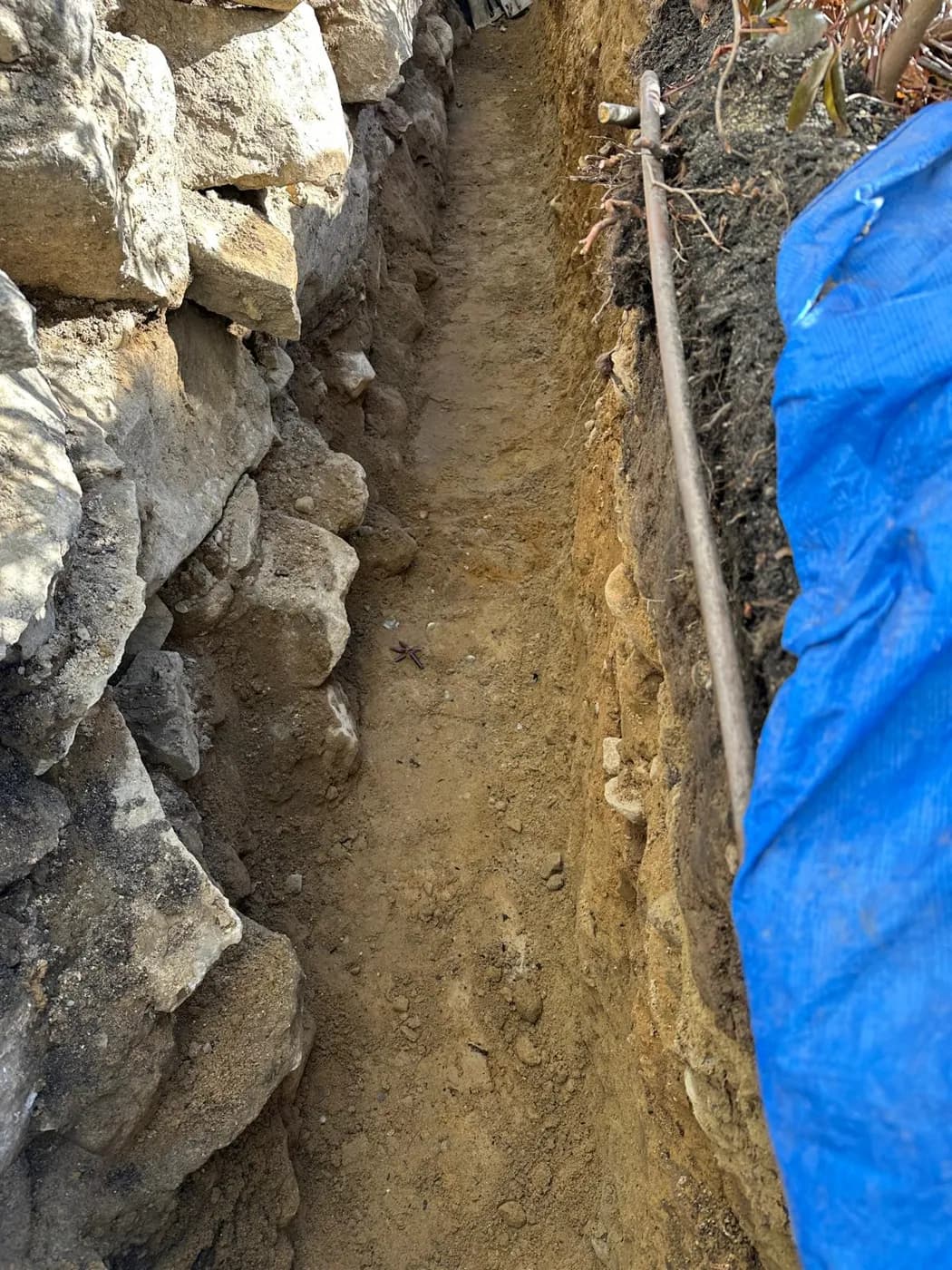
A lot of yards around Greater Boston are not flat. Belmont Hill, the slopes near the Mystic Lakes in Winchester, and plenty of backyards in Newton and Melrose all have grade changes that need to be held back. A retaining wall turns a slope you cannot use into a level lawn, patio or garden bed, and it keeps soil from washing onto your driveway every spring.
The first big decision is material. Most homeowners end up choosing between engineered concrete block and natural stone. Both can last a long time when built right, but they differ in cost, look, installation and how forgiving they are. This guide compares the two honestly so you can pick what fits your yard and your budget.
What a block retaining wall is
Segmental retaining wall block is a manufactured concrete unit designed to interlock. Each block has a lip or pin system that sets it slightly back from the course below, so the wall leans into the hill. Blocks come in many colors and textures, including faces that mimic split stone.
Because the units are uniform, block walls go up in a predictable way, and manufacturers publish engineering guidelines for height, base depth and when you need geogrid (reinforcing fabric laid back into the soil). That predictability is the main reason block has become the default for many residential walls.
What a natural stone retaining wall is
Natural stone walls use fieldstone, granite or other quarried stone, either dry-laid (stacked with no mortar) or mortared on a concrete footing. New England is full of old dry-stacked fieldstone walls, and that look is a big reason homeowners in Lexington, Wellesley and Winchester choose stone.
Every stone is different, so building a good stone wall is slower and depends heavily on the skill of the mason fitting the pieces. The result is a wall that looks like it has always been there, and when it is built on a proper base it can last for generations.
Cost: block vs stone
As a rough guide, block walls are usually the less expensive option per square foot of wall face, because the material is consistent and installation is faster. Many residential block walls in Massachusetts fall somewhere in the range of roughly $40 to $90 per square foot of face, installed, depending on height, access and drainage needs.
Natural stone walls typically cost more, often in the range of roughly $60 to $150 or more per square foot of face, because the stone itself costs more and fitting it takes more labor. Mortared stone walls on a concrete footing tend to sit at the higher end. These are market-typical numbers that vary a lot by site, so treat them as a starting point and get an on-site estimate for your yard.
Lifespan and how each handles freeze-thaw
Both block and stone can last decades in New England, but only if the base and drainage are right. Frost is the enemy. Water that collects behind a wall freezes, expands and pushes the wall forward. Over a few winters that shows up as bulging, leaning or blocks that pop out of line.
Block walls are flexible in a useful way: the units can shift slightly without cracking, and a well-built block wall with geogrid handles frost movement well. Dry-laid stone walls are also flexible and can be reset if a section moves. Mortared stone walls are rigid, so they need a footing below the frost line, or the mortar joints will crack as the ground heaves.
Drainage matters more than the material
The single biggest reason retaining walls fail is water, not the choice of block or stone. A proper wall has a compacted gravel base, clean crushed stone backfill behind the wall, a perforated drain pipe at the base that daylights somewhere useful, and filter fabric to keep soil from clogging the stone.
Ask any contractor exactly how they plan to drain the wall. If the answer is vague, or if the plan is to backfill with the same soil that came out of the hill, that wall is likely to lean within a few years no matter what it is made of.
What a well-built wall looks like during construction
Whether you pick block or stone, the important work happens below ground, so it helps to know what to look for while the wall is going in. The trench should be dug wide and deep enough for a compacted base of crushed stone, usually several inches thick and set in lifts with a plate compactor. The first course should be partly buried and perfectly level, because every course above it follows that line.
Behind the wall, you should see clean crushed stone backfill rather than the soil that came out of the slope, a perforated drain pipe at the bottom and filter fabric separating the stone from the native soil. On taller block walls, geogrid layers should run back into the hill at the heights the design calls for.
Finally, the top of the wall should be capped and the soil above it graded so surface water does not pour straight over the face. Gutters and downspouts nearby should be routed away from the wall. Skipping any of these steps saves a little money up front and usually costs a rebuild later.
How to choose for your yard
Choose block if you want a clean, uniform look, a lower price per square foot and a predictable build, especially for taller walls that need engineering and geogrid. Choose natural stone if the look matters most, the wall is part of a historic property, or you want it to blend with old fieldstone walls already on the land.
Height also guides the choice. In many towns, walls over a certain height (often around 4 feet, but check your local rules) need a permit and an engineered design. Your mason should tell you during the estimate whether your wall crosses that line. A free on-site estimate lets you compare both materials for your exact slope before committing.
Frequently asked questions
- Is a block or stone retaining wall cheaper?
- Block is usually cheaper per square foot of wall face because the material is uniform and installs faster. Natural stone costs more in material and labor, especially when mortared on a footing. Site access, height and drainage can shift both numbers.
- Which lasts longer, block or stone?
- Both can last decades when built on a proper base with good drainage. Lifespan depends far more on the base, backfill and drain pipe than on whether the wall face is block or stone.
- Do I need a permit for a retaining wall in Massachusetts?
- It depends on the town and the wall height. Many towns require a permit and an engineered design for walls above roughly 4 feet or walls that hold back a driveway or structure. Check with your local building department before work starts.
- Why is my retaining wall leaning?
- The most common causes are poor drainage behind the wall, a base that was too shallow or not compacted, and frost pushing on saturated soil. Leaning walls usually need to be taken down and rebuilt with proper drainage rather than patched.
- Can a block wall look like natural stone?
- Many block lines have split or tumbled faces and blended colors that resemble stone from a distance. Up close they still look manufactured, so if a true stone look matters, natural stone is the better fit.
Related services
Found this helpful? Make us a preferred source on Google.
Ready for an exact price?
Get a free, no-pressure in-home estimate. Real numbers for your home, not a phone guess.